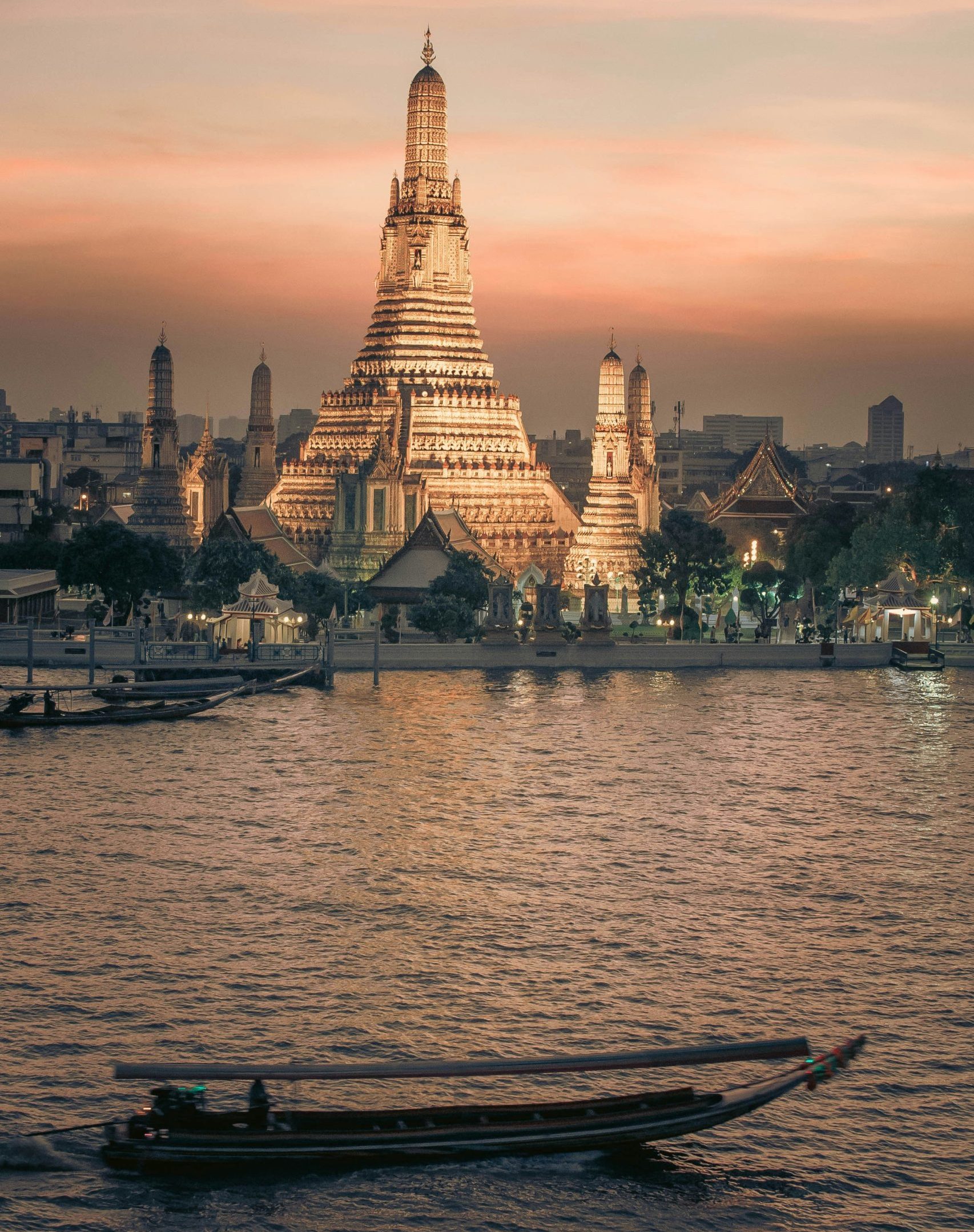
Thailand is known for its friendly and respectful culture. For visitors, understanding a few basic rules of Thai etiquette can make everyday interactions easier and help avoid accidental misunderstandings.
Respect is an important part of Thai culture. Simple things such as greeting people politely, dressing appropriately when visiting temples, removing your shoes when required, and speaking calmly can make a good impression.
Thai customs can sometimes be different from what visitors are used to. Learning a little about local etiquette before your trip can help you feel more comfortable and show respect for the people and culture you are visiting.
In this guide, we’ll cover the most important Thai etiquette rules for tourists, including greetings, temples, clothing, shoes, eating, public behavior, and common mistakes to avoid.
Greetings and the Wai in Thailand
One of the most recognizable parts of Thai culture is the wai, a traditional greeting made by placing the palms together in front of the chest and slightly bowing the head.
The wai is commonly used to show respect, especially when greeting older people, monks, or people in formal situations. As a visitor, you do not need to worry about getting the exact position or movement perfect. A polite smile and a simple wai when appropriate are usually enough.
Thai people also commonly greet each other with a friendly “Sawasdee” , meaning hello. Men traditionally say “Sawasdee khrap,” while women traditionally say “Sawasdee kha.”
A handshake may also be used, particularly in business or international settings. If someone offers you a handshake, it is perfectly acceptable to shake hands.
The important thing is not to feel nervous about making a mistake. Thai people generally understand that foreign visitors may not know every local custom. Showing respect and being polite is more important than perfect etiquette.
Temple Etiquette in Thailand
Visiting a Buddhist temple is an important part of many trips to Thailand. Temples, known locally as wat, are places of worship and should be treated with respect.
Dress appropriately
When visiting a temple, dress modestly. Cover your shoulders and knees, and avoid very short shorts, revealing tops, or beachwear. Some temples provide or require visitors to use clothing to cover exposed areas.
Remove your shoes
You may be asked to remove your shoes before entering certain temple buildings. Look for shoes placed outside the entrance and follow the example of local visitors.
Be respectful around Buddha images
Buddha images are sacred to Buddhists. Avoid climbing on, sitting on, or posing disrespectfully with a Buddha image. When taking photographs, make sure your behavior is appropriate for a place of worship.
Keep your voice down
Temples can be peaceful places for prayer and meditation. Speak quietly and avoid loud conversations, music, or disruptive behavior.
Be careful with your feet
In Thai culture, the feet are traditionally considered the lowest part of the body. Avoid pointing your feet toward a Buddha image, monk, or another person. When sitting on the floor, try to position your feet away from people and religious objects.
Show respect to monks
Monks are highly respected in Thailand. Speak politely and give them appropriate space. Women should be particularly aware that, according to traditional Buddhist rules, they generally should not directly touch or hand objects to monks. If a woman needs to give something to a monk, she can place it down for him to receive.
Ask before taking photographs
Photography is allowed in many temples, but not everywhere. Look for signs and follow local instructions. If people are praying or participating in a religious ceremony, avoid taking intrusive photographs.
You do not need to be Buddhist to visit a Thai temple. The most important thing is to remember that a temple is not simply a tourist attraction—it is also a place of worship and an important part of Thai culture.
Clothing and Shoes in Thailand
Thailand is a warm country, so tourists often wear light and comfortable clothing. However, what is appropriate can depend on where you are going.
Everyday clothing
In cities, shopping malls, restaurants, and tourist areas, casual clothing is generally acceptable. T-shirts, shorts, dresses, and sandals are common, especially in hot weather.
However, very revealing clothing may not be appropriate in more traditional areas or when visiting local communities.
What to wear to temples
When visiting Buddhist temples, dress more modestly. It is generally best to cover your shoulders and knees. Avoid beachwear, very short shorts, and revealing tops.
Some temples have stricter dress requirements, so check the signs at the entrance and follow the instructions.
Taking off your shoes
Removing your shoes is common in Thailand when entering temples and some other places, such as private homes and certain traditional businesses.
If you see shoes lined up outside an entrance, this is usually a good indication that you should remove yours as well.
A useful tip for travelers
It is a good idea to carry a light shirt or cover-up in your day bag. You can wear comfortable clothes while sightseeing and easily cover your shoulders when entering a temple or another place where modest dress is expected.
The basic rule is simple: dress comfortably for the weather, but dress more respectfully when visiting religious or traditional places.
Food and Dining Etiquette in Thailand
Food is an important part of Thai culture, and eating in Thailand is usually a relaxed and social experience. You will find everything from street food and local markets to restaurants and international cuisine.
Sharing food
Thai meals are often shared. Several dishes may be placed in the middle of the table, with everyone taking small portions onto their own plate.
If you are eating with Thai friends, it is common to order several dishes and share them rather than ordering one large dish for each person.
Using a spoon and fork
In many Thai restaurants, you will be given a spoon and fork. The spoon is normally the main eating utensil, while the fork is used to push food onto the spoon.
Chopsticks are mainly used for certain dishes, particularly noodles.
Don’t worry about making mistakes
Thai dining etiquette is generally relaxed, especially in tourist areas. You do not need to know every custom before sitting down for a meal.
Being polite, avoiding waste, and respecting the people around you are more important than following every rule perfectly.
Eating street food
Street food is an important part of everyday life in Thailand. When eating at a busy food stall or market, watch how local customers order and follow their example.
At busy stalls, it is also considerate to move aside after receiving your food so other customers can order.
Paying the bill
In restaurants, the bill is usually requested when you are ready to leave. In more casual places, payment may be made at the counter.
Tipping is not required everywhere in Thailand, but leaving a small tip for good service is appreciated in many restaurants and tourist establishments.
The simplest rule is: relax, enjoy the food, and follow the people around you. Thai dining culture is generally welcoming, and visitors are not expected to know every local custom.
Public Behavior and Social Etiquette in Thailand
Thai culture generally places a high value on politeness, calm behavior, and respect for other people. Visitors do not need to know every Thai custom, but understanding a few basic principles can make social situations easier and more comfortable.
Keep your voice calm
Raising your voice or becoming openly angry in public can make a situation uncomfortable. If you have a problem, try to remain calm and speak politely. A friendly approach is usually more appropriate than confrontation.
Avoid public arguments
Thai social culture generally favors avoiding open confrontation. If a disagreement happens, try to discuss it quietly and respectfully rather than arguing in front of other people.
Respect personal space
Thailand can be busy and crowded, especially in Bangkok, markets, public transport, and tourist areas. Be patient and considerate when moving through crowded places.
Be respectful toward the Thai monarchy
The Thai monarchy is an important and sensitive part of Thai society. Visitors should treat the King, the royal family, and royal symbols with respect and avoid making disrespectful comments or jokes.
Thai law also contains strict rules concerning certain forms of speech and conduct involving the monarchy, so visitors should be cautious and respectful.
Respect the national flag and anthem
The Thai national flag and anthem are important national symbols. If you encounter a formal flag ceremony or the national anthem in a public place, observe what people around you are doing and behave respectfully.
Understanding “saving face”
The idea of saving face can be useful for visitors to understand. Public embarrassment or direct humiliation can be uncomfortable in Thai social situations.
If something goes wrong, try to correct the problem politely and privately rather than embarrassing someone in front of others.
A simple rule for visitors
You do not have to understand every aspect of Thai culture before visiting Thailand. Be polite, stay calm, show respect, and observe how local people behave. These simple habits will take you a long way.
Thailand Etiquette: A Quick Summary
Understanding Thai etiquette does not require learning every local custom. A few simple habits can make your trip more comfortable and help you show respect for Thai culture.
Dress appropriately when visiting temples, remove your shoes when required, treat Buddha images and monks with respect, and be polite when interacting with local people. When eating, follow local customs and don’t worry if you make a small mistake.
Most importantly, stay calm, be respectful, and observe how local people behave. Thai people understand that visitors come from different cultures, and a friendly attitude goes a long way.
With these simple guidelines, you can enjoy your time in Thailand while showing consideration for the people and culture around you.